Como evitar a condensação em um escritório modular feito de contêiner
Detalhes sobre isolamento do telhado, painéis de parede, controle de umidade, ventilação e drenagem
A condensação é uma das maiores preocupações dos compradores estrangeiros antes de encomendarem um escritório modular em contêiner. A preocupação é compreensível: o aço transfere calor rapidamente e, quando o ar quente e úmido encontra uma superfície fria, gotículas de água podem se formar em tetos, paredes, janelas ou juntas escondidas.
Mas a condensação não é simplesmente um “problema do contêiner”. Geralmente, é um problema da estrutura do edifício. Um escritório modular em contêiner precisa de isolamento adequado, controle de umidade, ventilação e projeto de drenagem. Quando esses detalhes são tratados corretamente, o escritório pode ser usado como um espaço de trabalho limpo e confortável, em vez de uma caixa temporária úmida.
O sistema de escritórios modulares em contêineres da Guangdong Wanbang utiliza isolamento no telhado, painéis sanduíche nas paredes, detalhes de drenagem e acabamento interno para reduzir o risco de umidade no uso diário do escritório.
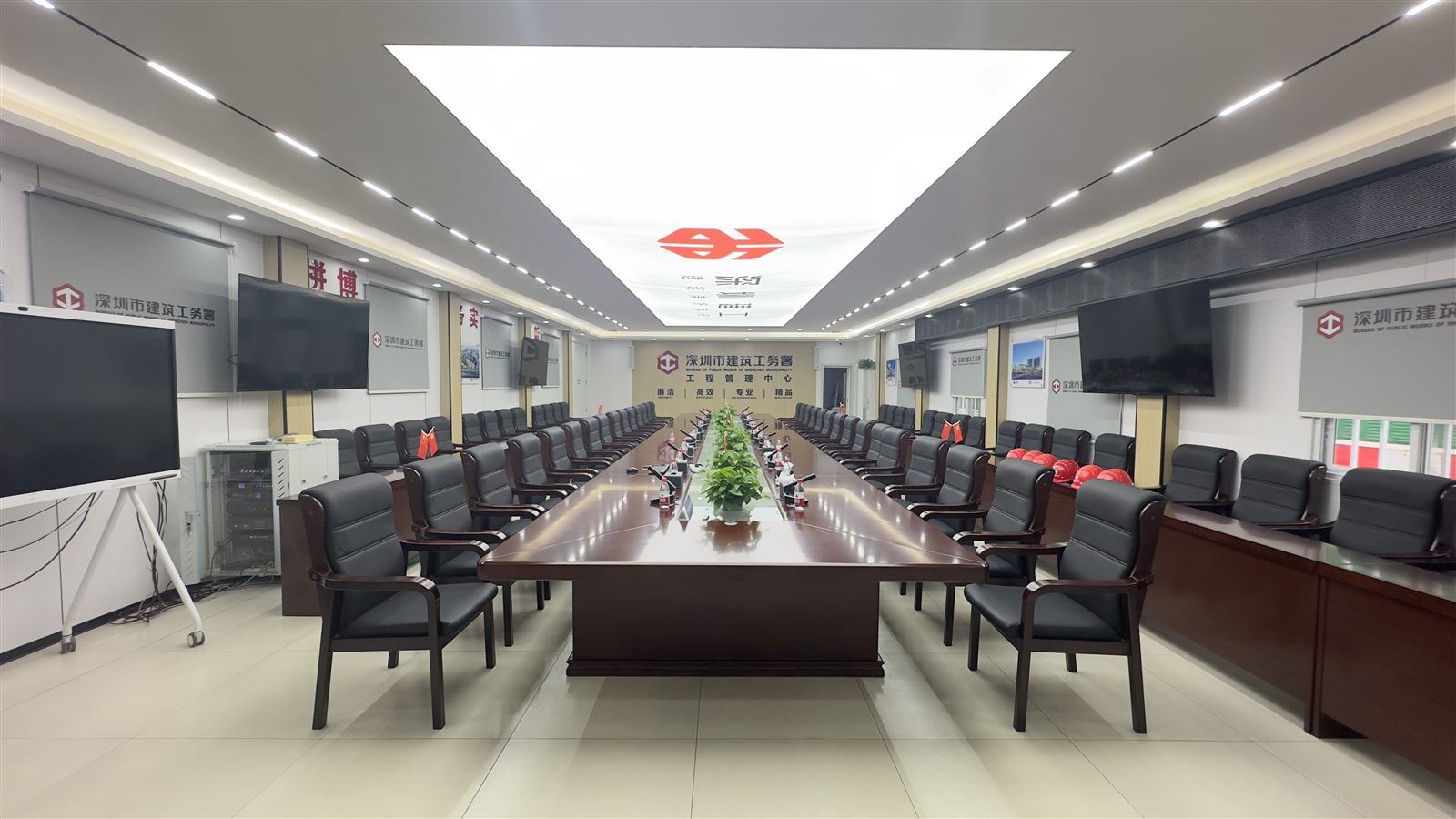
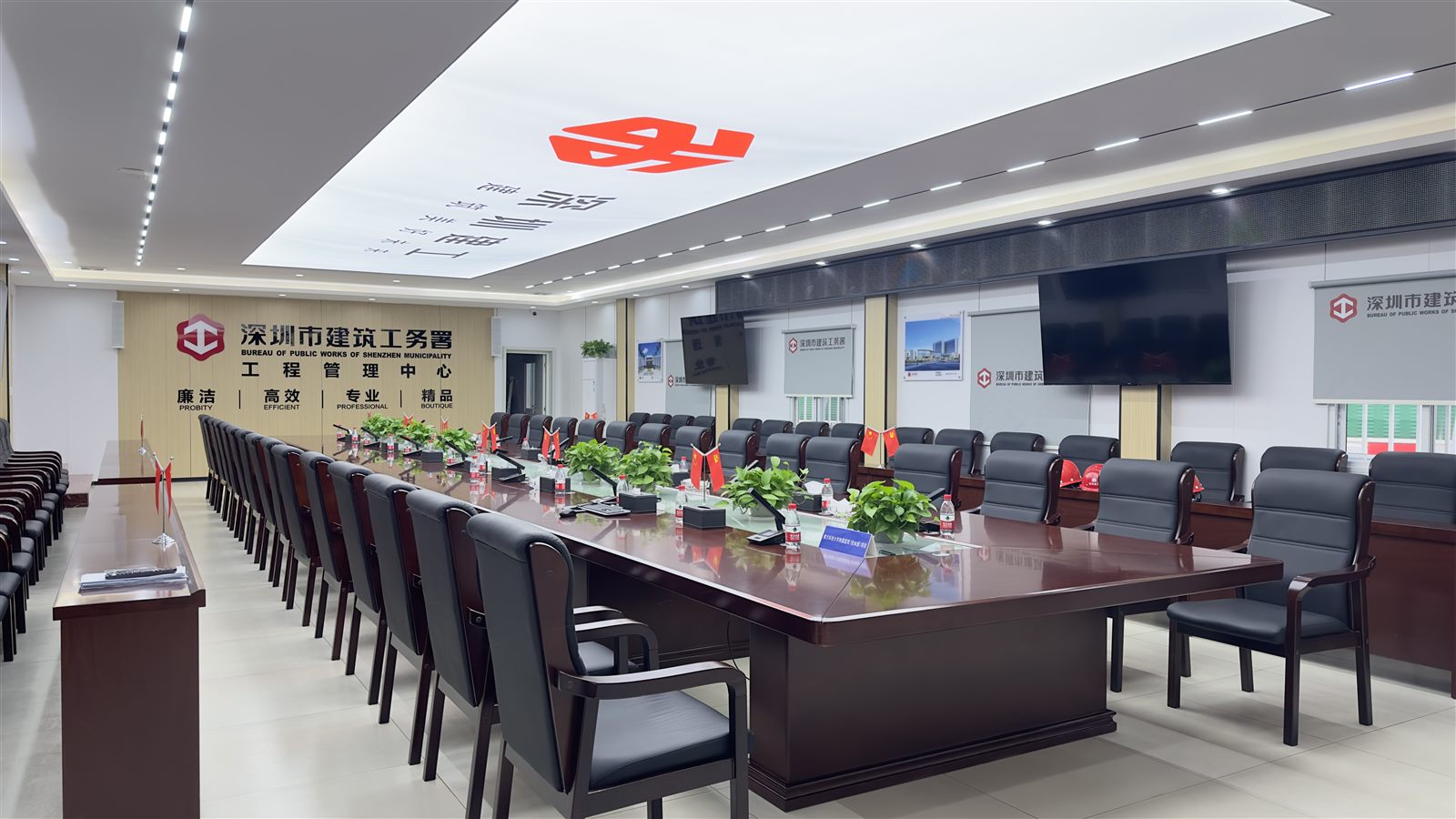
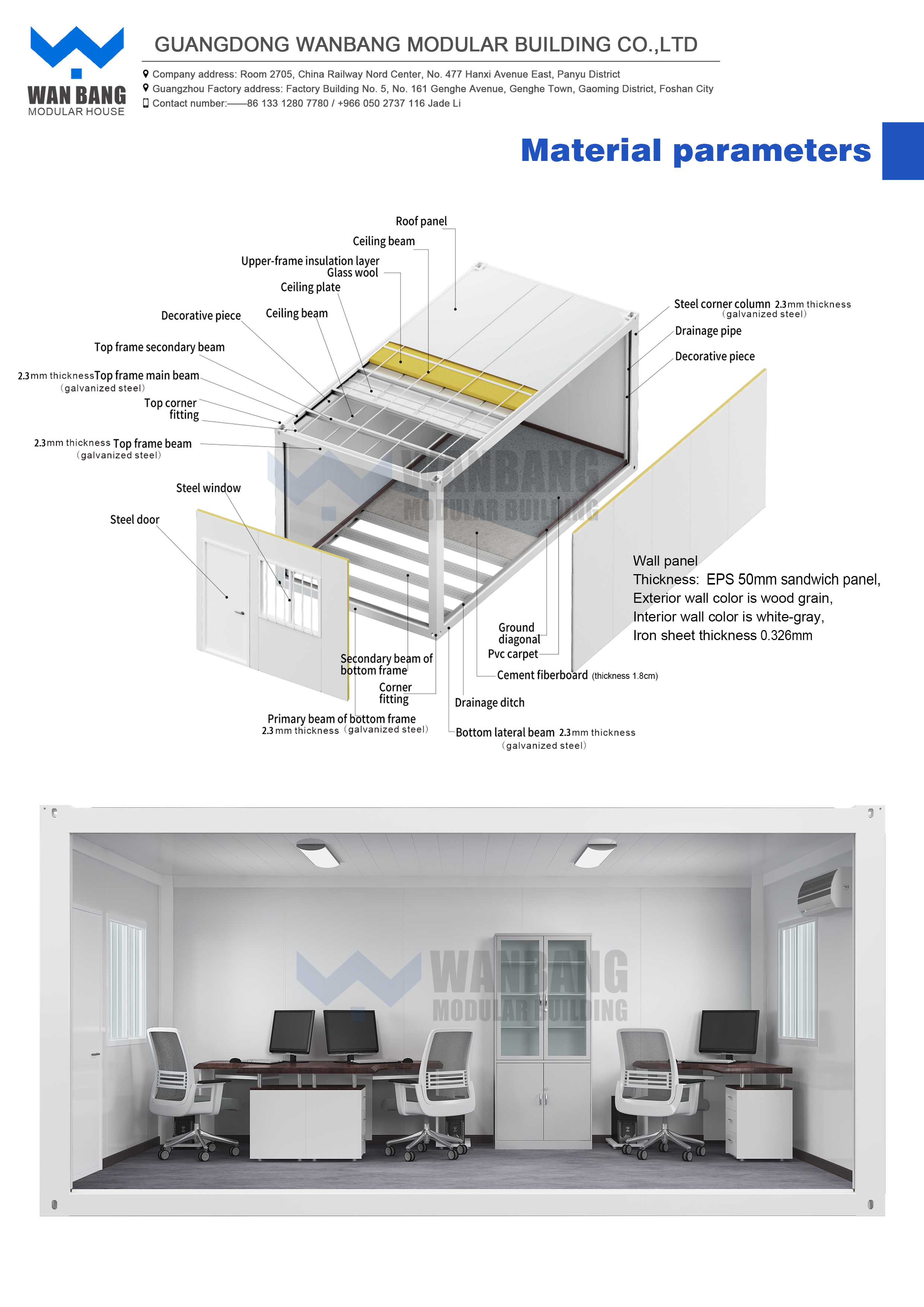
Parâmetros dos materiais utilizados em escritórios modulares feitos com contêineres, incluindo isolamento do telhado, lã de vidro, tubulação de drenagem e painéis de parede.
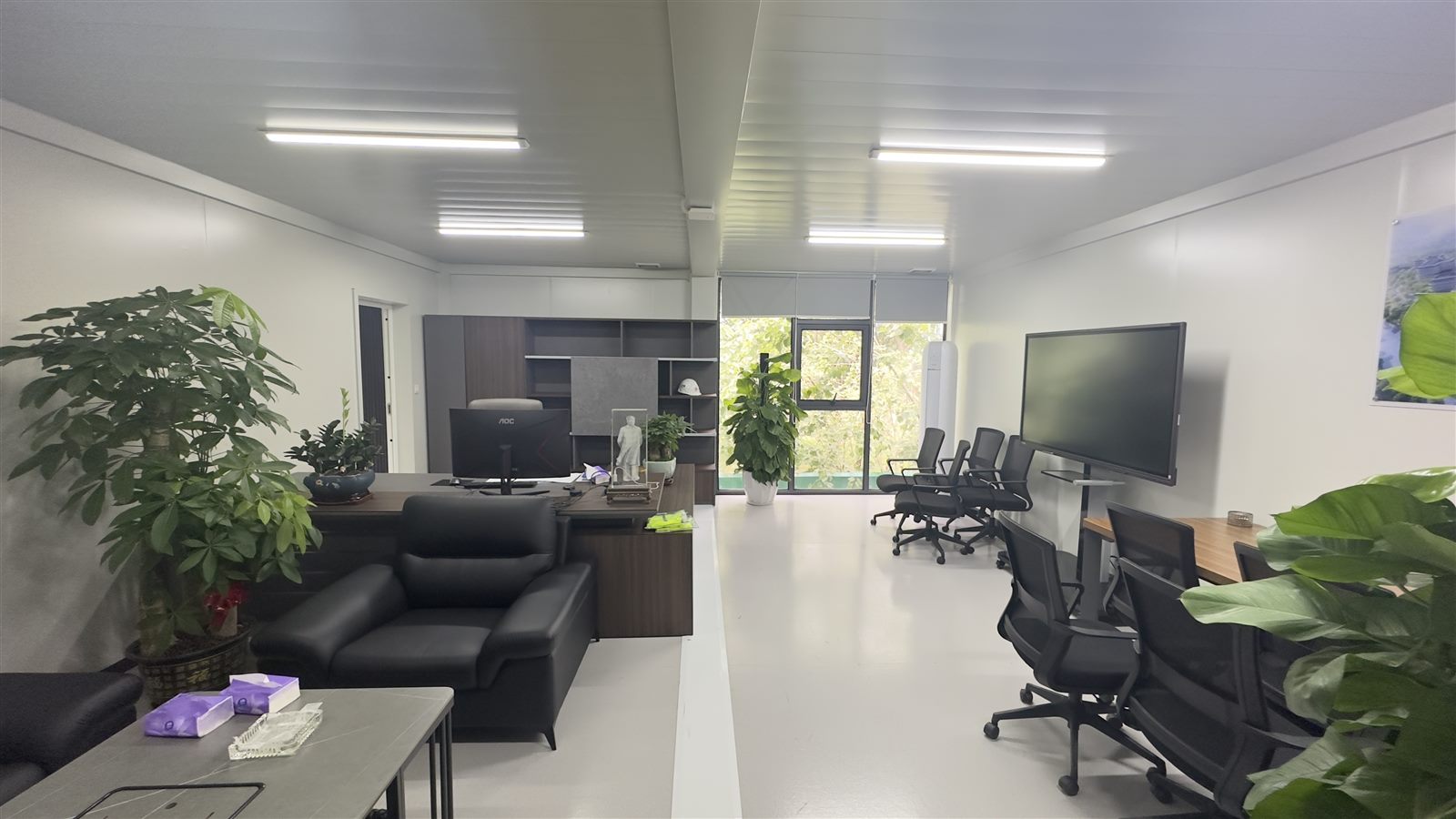
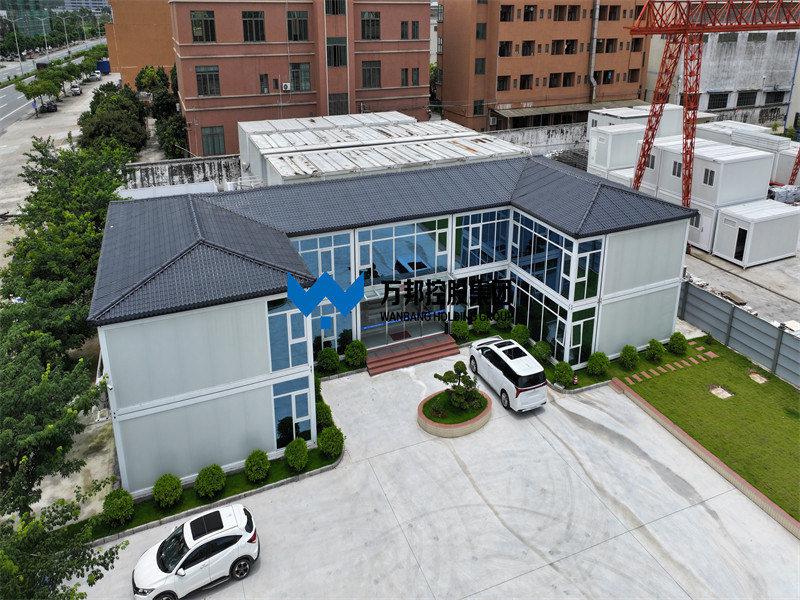
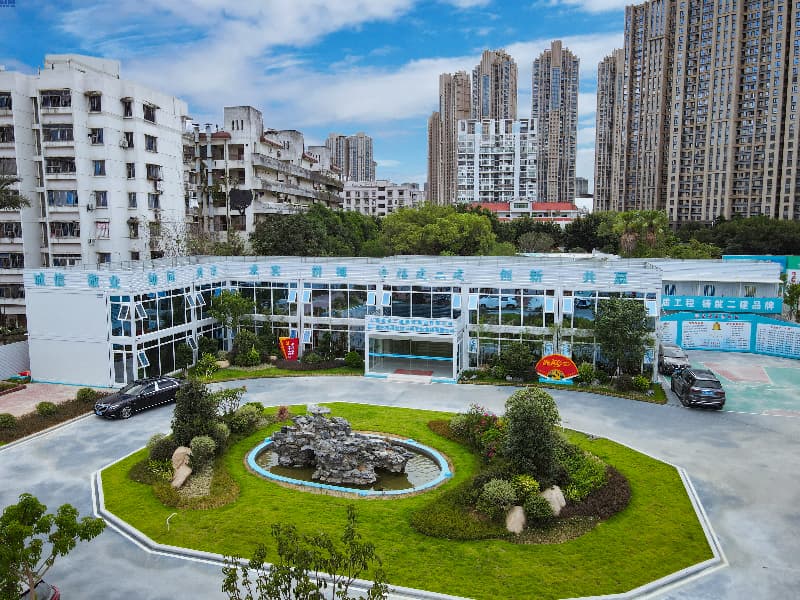
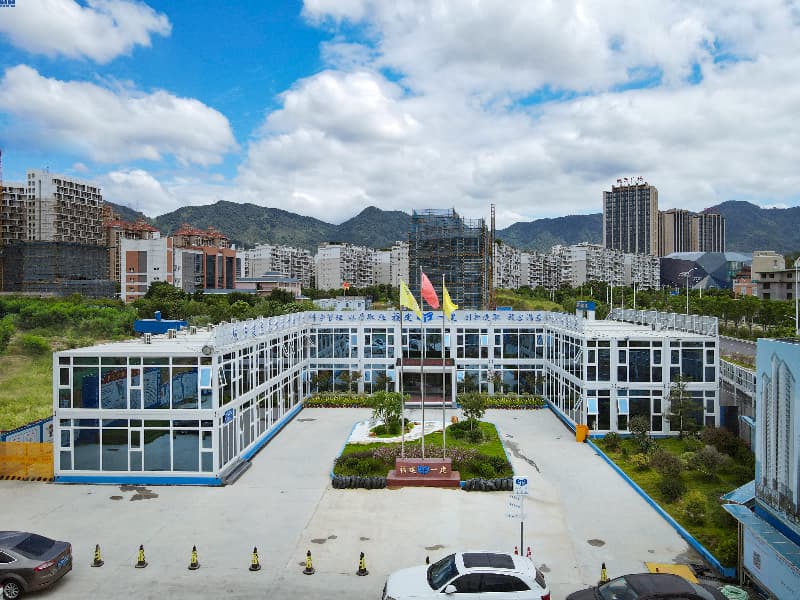
Escritório modular em contêiner, com janelas e mobiliário de escritório, já finalizado.
A condensação geralmente ocorre quando três condições são atendidas:
Isso pode acontecer em climas frios durante o inverno, em áreas costeiras úmidas, em épocas de chuva, em áreas montanhosas ou em escritórios com pouca circulação de ar. Também pode ocorrer quando a diferença entre a temperatura interna e externa é grande.
O telhado é uma das áreas mais importantes para o controle da condensação. Na especificação de materiais da Wanbang, o isolamento do telhado pode utilizar lã de vidro de 50 mm com película impermeável, com a densidade especificada na tabela de materiais do projeto.
Na prática, o telhado não deve ser tratado apenas como uma chapa de aço. A camada de isolamento ajuda a reduzir a diferença de temperatura entre o ar interno e a superfície do telhado. A película impermeabilizante ajuda a reduzir a probabilidade de o vapor penetrar na camada de isolamento e causar problemas de umidade ocultos.
Para compradores em mercados frios ou úmidos, solicite a confirmação do fornecedor:
A condensação também pode aparecer nas paredes se o painel de parede tiver isolamento deficiente ou tratamento inadequado das juntas. As opções de materiais da Wanbang incluem sistemas de painéis de parede isolantes, como lã de rocha, painéis sanduíche de EPS ou PU, dependendo da necessidade do projeto.
A lã de rocha é útil para edifícios de escritórios porque é incombustível e proporciona isolamento térmico e acústico. Painéis de PU podem ser escolhidos quando se exige um isolamento térmico mais robusto. Painéis de EPS são frequentemente utilizados em projetos econômicos padrão.
Para um projeto de escritório modular, o comprador não deve apenas perguntar “Qual é o preço do painel de parede?”. Uma pergunta melhor seria: “Qual sistema de parede e telhado reduzirá a condensação no meu clima local?”.
Mesmo com isolamento, a condensação ainda pode ocorrer se a umidade interna estiver muito alta. Escritórios com muitas pessoas, janelas fechadas, roupas molhadas, ventilação inadequada ou falta de renovação do ar podem causar acúmulo de umidade.
Um bom escritório modular em contêineres deve considerar:
Para uso em escritórios, um plano básico de ventilação costuma ser suficiente. Já em dormitórios, cozinhas, banheiros ou lavanderias, a ventilação torna-se mais importante.
A condensação não é o único problema relacionado à água que preocupa os compradores. A água da chuva e o escoamento do telhado também são importantes, pois vazamentos e condensação são frequentemente confundidos pelos usuários.
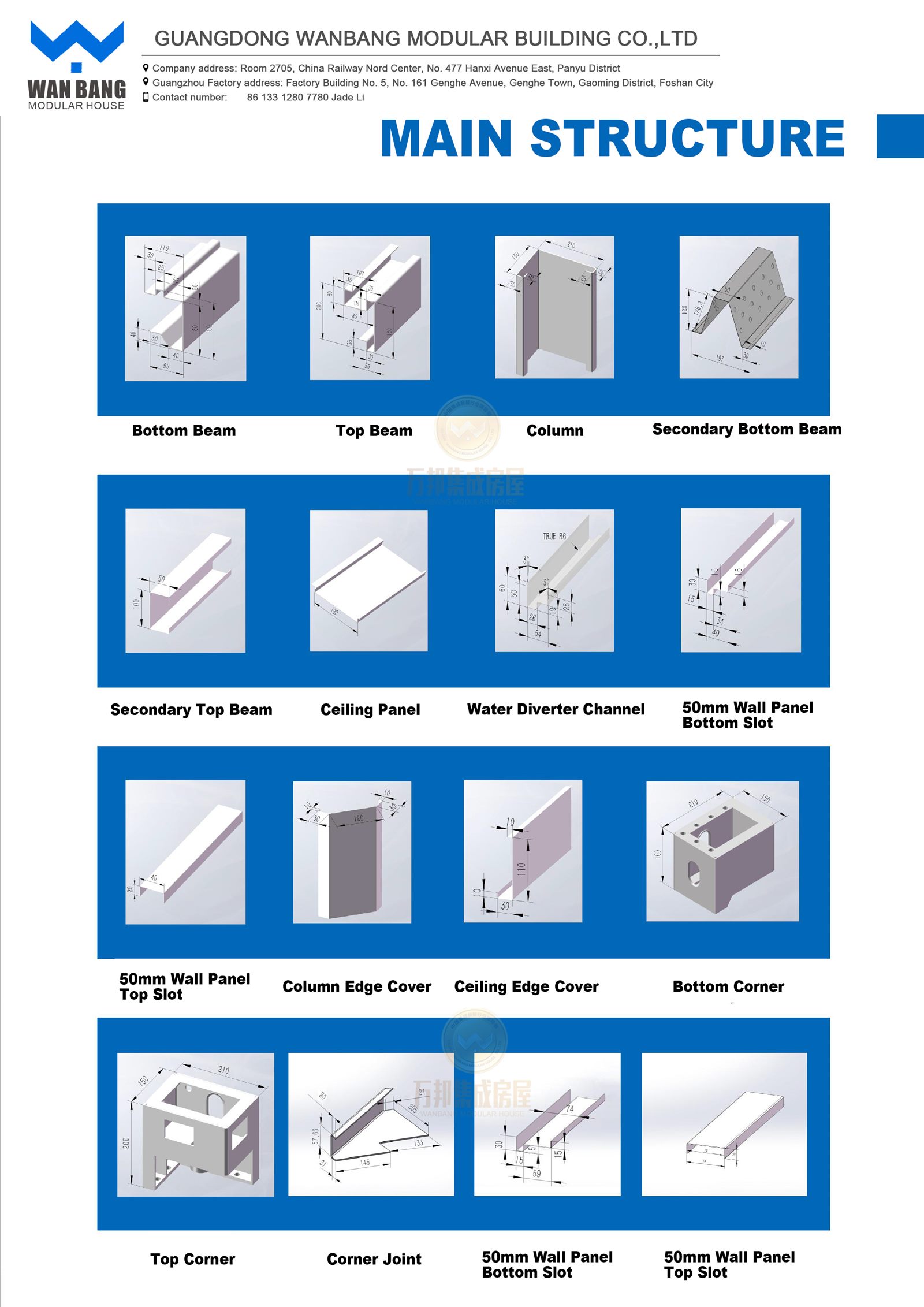
Estrutura principal do escritório em contêiner com canal desviador de água e encaixes para painéis de parede.
A imagem da estrutura principal de Wanbang mostra detalhes técnicos como o canal desviador de água, o painel do teto e as ranhuras de 50 mm nos painéis de parede. Esses detalhes são importantes porque a água deve ser direcionada para longe do edifício, em vez de ficar retida nas juntas.
Para projetos no exterior, os compradores devem verificar a inclinação do telhado, a posição do tubo de drenagem, as juntas das paredes, a vedação das janelas e os detalhes de conexão dos módulos antes do embarque.
Para evitar a condensação em um escritório modular feito de contêiner, os compradores devem se concentrar no sistema de revestimento completo: isolamento do telhado, painéis sanduíche de parede, controle de umidade, ventilação e detalhes de drenagem.
A Guangdong Wanbang pode ajudar os compradores a planejar edifícios de escritórios modulares com opções adequadas de isolamento e acabamento para diferentes climas. Se a eficiência no transporte e a rapidez na montagem do projeto forem importantes, os compradores também podem comparar as opções disponíveis. soluções de casas contêineres pré-fabricadas Para uso em escritórios e acampamentos.
Está planejando construir um escritório modular ou um alojamento para acampamento e quer evitar problemas de umidade? Contate-nos Com base no clima local e nos detalhes do projeto, nossa equipe ajudará você a selecionar a configuração de isolamento e drenagem ideal para o seu terreno.


 IPv6 SUPORTADO POR REDE
Hi! Click one of our members below to chat on
 Português
 English
 Français
 Deutsch
 Русский
 Italiano
 Español
 Türk
Türk Ελληνικά
 Indonesia
 عربي
عربي